


Emerging Trends in Plasticware: How Malaysian Manufacturers Are Innovating for 2026
Plasticware Malaysia has long been recognized for its vibrant manufacturing sector, providing household and commercial plasticware across Southeast Asia and beyond. As we move towards 2026, the landscape is rapidly evolving, with innovation at the heart of how Malaysian manufacturers are responding to changing consumer needs, environmental pressures, and global market dynamics. This article explores the most significant emerging trends shaping the future of plasticware products in Malaysia, offering actionable insights for wholesalers, retailers, and business buyers seeking to stay ahead in a competitive market.
The Shift Toward Sustainable Plasticware Solutions
Environmental sustainability is no longer just a trend—it’s a necessity. Malaysian manufacturers are increasingly investing in eco-friendly materials, responsible production processes, and designs that enhance product recyclability. Leading brands are introducing plasticware made from food-grade PP, HDPE, and biodegradable composites, aiming to reduce environmental footprint without compromising on durability or function.
For instance, food and multipurpose containers are now being produced using recyclable plastics that meet rigorous safety standards. Many companies also offer take-back or recycling programs, enabling retailers and distributors to participate in the circular economy. By prioritizing sustainability, manufacturers in Malaysia are future-proofing their product portfolios and meeting the expectations of eco-conscious buyers.
One notable example is the adoption of bioplastics derived from plant-based sources such as cornstarch or sugarcane. These materials break down more readily in composting environments, helping reduce the long-term impact of plastic waste. Furthermore, manufacturers are experimenting with lightweighting techniques—designing products that use less material without sacrificing strength—to further cut down on resource consumption and shipping emissions. By integrating eco-labeling and transparency in sourcing, Malaysian brands are positioning themselves as trustworthy partners for businesses aiming to align with global sustainability goals.
Smart Storage: Innovation in Plastic Drawer and Organization Systems
As homes and businesses seek smarter ways to organize their spaces, Malaysian plasticware manufacturers are reimagining storage products. Plastic drawer systems, cabinets, and stackable storage boxes are being designed with modularity, transparency, and multipurpose use in mind. Features such as customizable compartments, smooth-glide tracks, and ergonomic handles are now standard in premium lines.
There is a growing demand for plastic drawer Malaysia solutions that balance aesthetics with robust construction. Products like the Twins Dolphin range offer options for offices, retail environments, and households, with clear labeling, locking mechanisms, and space-saving designs. These innovations not only improve organization but also cater to the evolving needs of modern living and working spaces.
Leading manufacturers are also developing modular drawer systems that can be stacked or linked horizontally, allowing users to configure storage for specific needs. For instance, a business office can easily expand filing capacity, while a household can rearrange modules based on seasonal storage requirements. Transparency in drawer faces and color-coded handles help with quick access and inventory management. Some manufacturers are now integrating anti-slip bases, soft-close mechanisms, and antimicrobial coatings—features that further improve usability and hygiene, especially in healthcare, food service, and childcare settings.
Case Study: A regional electronics distributor collaborated with a Malaysian plasticware manufacturer to develop custom, anti-static drawer inserts for sensitive circuit boards. This partnership not only improved storage efficiency but also reduced product loss due to static discharge, demonstrating how innovation in plastic drawer design can directly impact business outcomes.
Design-Driven Household Plasticware for Modern Lifestyles
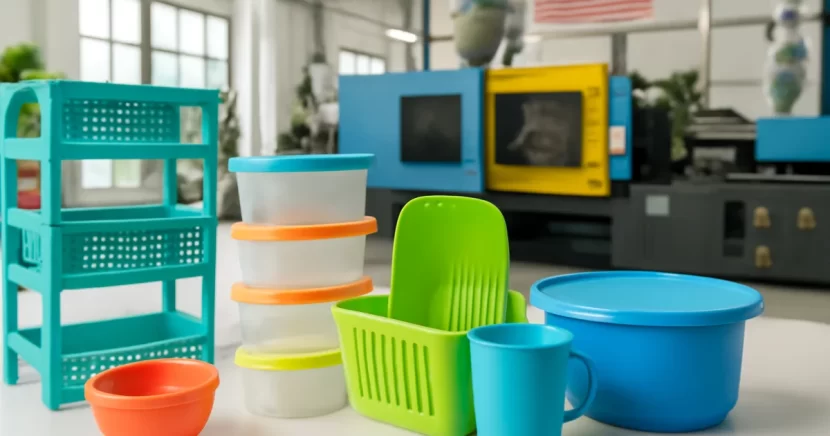
Today’s consumers expect plasticware that looks as good as it works. Malaysian manufacturers are responding by blending functional benefits with contemporary, attractive designs. Household plasticware—ranging from laundry baskets and pails to kitchen racks and trays—now features vibrant colors, textured surfaces, and sleek lines that complement interior decor trends.
Practical examples abound: stackable racks for kitchens, space-efficient baskets for laundry and storage, or multipurpose trays that transition from food service to organization tools. By focusing on style as well as substance, brands like Twins Dolphin are helping retailers and wholesalers meet the rising demand for plasticware products that don’t compromise on appearance.
Design trends include the use of pastel and neutral color palettes that blend seamlessly into minimalist interiors, as well as geometric patterns and matte finishes that reflect modern aesthetics. Ergonomically designed handles, soft-touch materials, and nesting capabilities add to user comfort and convenience. Some brands collaborate with local designers to create limited-edition series that appeal to young urban professionals and design-conscious families. This design-centric approach not only increases shelf appeal but also drives impulse purchases in retail environments, giving business buyers an edge in consumer-focused markets.
Expert Tip: Retailers can increase sales by merchandising plasticware in lifestyle settings—such as mock kitchen, laundry, or children’s playroom displays—highlighting both the functional and decorative aspects of the products.
Product Versatility: Meeting Diverse Consumer and Commercial Needs
One of the defining trends in Plasticware Malaysia is versatility. Manufacturers are expanding their product lines to serve households, restaurants, hardware businesses, and industrial clients alike. This includes everything from airtight food containers and durable cement pails to heavy-duty storage boxes and children’s furniture.
For example, food-service plasticware must withstand repeated washing and temperature changes, while industrial containers require impact resistance and stackability. Malaysian producers are leveraging advanced injection molding and material selection to offer tailored solutions for each segment. Wholesalers, distributors, and OEM buyers benefit from the ability to source a broad range of plasticware from a single, reliable supplier.
A growing segment is multi-use plasticware: items that transition effortlessly from domestic to commercial settings. Examples include modular shelving that can be used in both storerooms and kitchens, or water pails designed for both cleaning and gardening. Some manufacturers offer lines with interchangeable lids and bases, making it easier for businesses to standardize storage and reduce inventory complexity. For children’s products, safety certifications and rounded edges are prioritized, while industrial buyers may opt for reinforced bins with heavy load ratings.
Checklist for Business Buyers:
- Assess whether storage solutions are compatible across different departments or locations.
- Request product samples for durability and fit testing before bulk orders.
- Inquire about available certifications (e.g., food safety, impact resistance).
- Consider color-coding for easy identification in busy environments.
- Evaluate whether products can be customized for your unique operational needs.
Digitalization and Automation in Manufacturing
To sustain growth and quality, Malaysian plasticware manufacturers are embracing digitalization and automation. Modern injection molding facilities employ automated production lines, real-time monitoring, and quality control systems to ensure consistency and efficiency. This shift not only enables faster order fulfillment and flexible production scheduling but also supports custom color matching and tooling adjustments on demand.
Digital platforms now streamline ordering and supply chain management, making it easier for local and export buyers to manage procurement. Automation also reduces human error and waste, contributing to more sustainable operations and higher-quality finished goods. These capabilities position Malaysian manufacturers as agile partners for both domestic and international markets.
Step-by-Step: How Automation Improves Quality and Delivery
- Automated Mold Preparation: Computer-guided machinery ensures precise mold setting and reduces changeover time between different product runs.
- Real-Time Quality Checks: Sensors and vision systems monitor every stage of production, instantly flagging defects or inconsistencies before products reach packaging.
- Inventory Linking: Production data is synchronized with warehouse management systems, enabling just-in-time delivery and minimizing overstock or shortages.
- Customer Portal Integration: Business buyers benefit from online order tracking, digital catalogs, and automated invoicing, making the procurement process faster and more transparent.
Common Mistake: Overlooking the benefits of a digital supply chain can result in communication lags and missed opportunities for customization or rapid restocking. Engage early with suppliers who offer digital order management and tracking capabilities.
Customization and OEM Partnerships
Business buyers increasingly seek customized plasticware to support branding, unique applications, or bulk purchasing requirements. Malaysian manufacturers, such as Guan Hong Plastic Industries, offer OEM services that include bespoke product development, color selection, logo embossing, and tailored packaging solutions.
This trend allows supermarkets, restaurant chains, and distributors to differentiate their offerings and better serve niche markets. For example, a hardware retailer might request extra-strong storage bins with reinforced handles, while a food-service operator might need specialized trays with dividers or custom colorways. By supporting OEM and bulk orders, Malaysian producers help partners scale efficiently and maintain a competitive edge.
Scenario Analysis:
- Supermarket Chain: Orders a uniform line of stackable baskets in company colors, with the supermarket’s logo embossed for brand visibility and theft deterrence.
- Restaurant Franchise: Collaborates with a Malaysian manufacturer to design serving trays with non-slip surfaces and custom compartment layouts suited to their menu items.
- Industrial Distributor: Requires heavy-duty storage bins with RFID tags for inventory tracking, developed jointly with the OEM team to ensure compatibility with their logistics systems.
Tips for a Successful OEM Partnership:
- Communicate specific needs and design preferences early in the process.
- Request prototypes or 3D renderings for approval before mass production.
- Negotiate minimum order quantities and lead times up front.
- Ask about after-sales support, especially for large or international orders.
Local Supply Advantages and Export Opportunities
In an era of global supply chain disruption, the ability to source plasticware locally has become a significant advantage. Malaysian manufacturers provide shorter lead times, reliable replenishment, and easier communication compared to many overseas sources. This responsiveness is especially valuable for retailers and distributors facing fluctuating demand.
At the same time, Malaysia’s established reputation for quality plasticware is opening new export markets, particularly in Southeast Asia, the Middle East, and Africa. The Twins Dolphin brand, for example, is recognized regionally for its consistent standards and wide selection, making it a preferred choice among international importers and commercial buyers.
Comparison Table: Local Sourcing vs. Overseas Import
| Aspect | Local (Malaysia) | Overseas Import |
|---|---|---|
| Lead Time | 1-3 weeks | 4-12 weeks |
| MOQ Flexibility | Low to Medium | High |
| Customization Options | Extensive | Limited |
| Communication | Direct, same time zone | Remote, time zone gaps |
| Risk of Delays | Low | Higher (shipping, customs) |
Export Success Story: A Middle Eastern supermarket chain reduced its out-of-stock rates by 30% after switching to a Malaysian plasticware supplier, thanks to faster replenishment and the ability to quickly adjust product specifications in response to seasonal promotions.
Checklist for Export Buyers:
- Verify the supplier’s export certifications and documentation processes.
- Request samples to assess product quality and suitability for your market.
- Clarify shipping terms and logistics support, including customs handling.
- Explore co-branding or private label opportunities for market differentiation.
Future Outlook: Resilience and Innovation for 2026
Looking ahead, the Malaysian plasticware industry is set to continue its trajectory of innovation and resilience. Emerging trends such as the integration of smart features (e.g., QR-coded storage for inventory tracking), advances in sustainable materials, and increased emphasis on user-centric design will define the next generation of plasticware products.
Manufacturers are also expected to deepen collaborations with distributors and business buyers, co-developing solutions that address specific market needs. Retailers, wholesalers, and commercial clients who partner with forward-thinking Malaysian producers will be best positioned to capture new opportunities and deliver value to their customers in 2026 and beyond.
Industry Watchlist for 2026 and Beyond:
- Smart Storage Integration: Expect more products with embedded QR codes, NFC chips, or IoT features for inventory management, anti-theft, or reordering automation.
- Advanced Bioplastics: Ongoing R&D in biodegradable and compostable materials will deliver more robust, certified eco-friendly options.
- Collaborative Design: Manufacturers may offer digital platforms for co-design, allowing buyers to participate in product development virtually.
- Greater Export Focus: With free trade agreements and improved logistics, Malaysian plasticware brands are poised to expand their global footprint.
- Regulatory Compliance: Anticipate stricter environmental and safety requirements, driving further innovation and differentiation in materials and processes.
Best Practice: Stay updated on regulatory changes and emerging technologies by subscribing to industry newsletters or participating in trade fairs—this will help your business remain competitive and compliant as the market evolves.
Conclusion: Embracing Change in a Dynamic Industry
Change is the only constant in the world of plasticware. As sustainability, smart organization, attractive design, and operational agility become standard expectations, Malaysian manufacturers are leading the way in innovation. For wholesalers, retailers, and all business buyers, keeping pace with these trends—and choosing partners who prioritize quality and adaptability—will be key to long-term success. Whether you’re seeking the latest in plastic drawer storage, household plasticware, or custom OEM solutions, Malaysia’s plasticware industry offers a wealth of options to meet every need.
Frequently Asked Questions
What are the latest trends in plasticware products from Malaysia?
The latest trends include sustainable materials, smart storage solutions like modular plastic drawers, design-driven household products, increased customization options, and the adoption of automation and digitalization in manufacturing. Malaysian manufacturers are focusing on combining practicality, durability, and modern aesthetics to meet evolving market needs.
How do Malaysian manufacturers ensure the quality of plastic storage boxes and drawers?
Quality is ensured through in-house manufacturing control, rigorous material selection (such as food-grade PP and HDPE), and advanced injection molding techniques. Automated production lines and real-time quality monitoring help maintain consistent standards across all plasticware products.
Are there eco-friendly plasticware options available from Malaysia?
Yes. Many Malaysian manufacturers now produce plasticware using recyclable, food-safe plastics and are exploring biodegradable materials. Some brands also offer recycling programs and focus on designs that support easy reuse or recycling, catering to the growing demand for environmentally responsible products.
Can businesses order customized or OEM plasticware from Malaysian suppliers?
Absolutely. Leading manufacturers like Guan Hong Plastic Industries provide OEM services, allowing businesses to customize product colors, sizes, branding, and packaging. This flexibility helps retailers, distributors, and other commercial buyers meet unique market requirements and strengthen their brand identity.
Where is the best place to store plastic storage boxes and household plasticware?
Plastic storage boxes and household plasticware are best stored in dry, cool areas away from direct sunlight to prevent warping or discoloration. Stackable drawers and cabinets can help maximize space in bedrooms, kitchens, offices, or utility rooms, keeping items organized and accessible.
Partner with Malaysia’s Leading Plasticware Innovator
Stay ahead of the curve with Guan Hong Plastic Industries, the name behind the trusted Twins Dolphin brand. Discover our extensive range of storage boxes, food containers, household plasticware, racks, drawers, and more—crafted for modern living and business efficiency. With four decades of manufacturing expertise, in-house production, and flexible OEM options, we help wholesalers, retailers, and business buyers succeed in today’s dynamic market.